


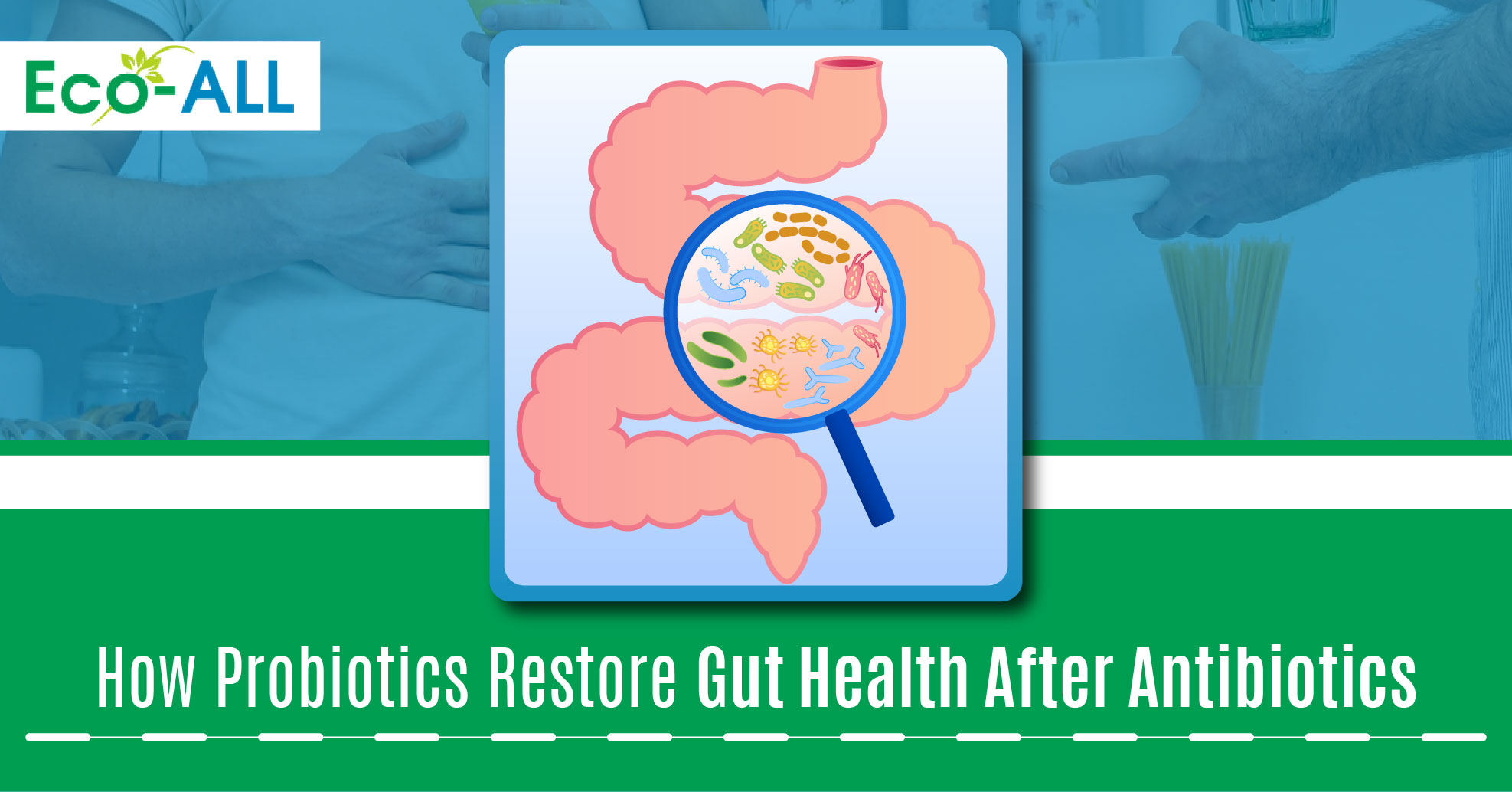
Antibiotics are essential for treating infections, but they often disrupt the natural balance of gut bacteria. This imbalance can lead to digestive issues, weakened immunity, and prolonged recovery. Probiotics help restore healthy gut flora by replenishing beneficial bacteria and supporting intestinal function. When used correctly, probiotics play a key role in rebuilding gut health after antibiotic use.
The gut microbiome is a complex community of trillions of microorganisms living in the digestive tract. These bacteria play a vital role in digestion, nutrient absorption, immune defense, and metabolic balance. A healthy gut microbiome contains a diverse mix of beneficial bacteria that work together to maintain intestinal stability.
When the microbiome is balanced, digestion is smooth, inflammation is controlled, and the immune system functions efficiently. Disruption to this balance can quickly affect overall health.
Antibiotics are designed to eliminate harmful bacteria that cause infections. However, they often cannot distinguish between harmful and beneficial bacteria. As a result, antibiotic treatment may significantly reduce healthy gut bacteria alongside the targeted pathogens.
This disruption can lower bacterial diversity and create an imbalance known as dysbiosis. The gut may become more vulnerable to harmful bacteria, leading to digestive discomfort and delayed recovery even after the infection is resolved.
Many people experience digestive symptoms after completing an antibiotic course. These may include diarrhoea, bloating, gas, abdominal discomfort, or irregular bowel movements. Antibiotic-associated diarrhoea is one of the most common side effects.
In some cases, prolonged gut imbalance may affect nutrient absorption or immune function. Without proper restoration, the gut microbiome may take weeks or months to recover fully on its own.
Probiotics are live beneficial microorganisms that support gut health when consumed in adequate amounts. They are available in supplements and certain fermented foods. Probiotics help restore balance by increasing the population of good bacteria in the gut.
Some probiotic strains are particularly resilient and can survive stomach acid to reach the intestines. Once there, they interact with the gut lining and existing bacteria to promote microbial stability.
Probiotics restore gut health after antibiotics by replenishing beneficial bacteria that were reduced during treatment. They help crowd out harmful microbes by competing for space and nutrients in the gut.
Probiotics also support the intestinal barrier, reducing gut permeability and inflammation. This helps normalize digestion and supports long-term gut balance. Over time, consistent probiotic use can help rebuild microbial diversity and resilience.
Digestive recovery is one of the most noticeable benefits of probiotics after antibiotics. By supporting healthy gut bacteria, probiotics help regulate bowel movements and reduce diarrhoea duration.
They also aid in breaking down food more efficiently, which may reduce bloating and discomfort. For individuals who experience sensitive digestion after antibiotics, probiotics provide gentle and natural digestive support.
The gut plays a central role in immune function, with a large portion of immune cells located in the intestinal lining. Antibiotic-induced gut imbalance may weaken immune responses temporarily.
Probiotics help restore immune balance by supporting healthy gut bacteria that interact with immune cells. This may improve resistance to infections and support faster recovery after illness.
Timing and consistency are important when using probiotics after antibiotics. Many healthcare providers recommend starting probiotics during or immediately after antibiotic treatment, depending on individual needs.
Probiotics should be taken as directed, and spacing them away from antibiotic doses may improve survival of beneficial bacteria. Duration of use may vary, but continued use for several weeks often supports better gut recovery.
Probiotics work best when combined with supportive diet and lifestyle habits. Consuming fiber-rich foods provides nourishment for beneficial bacteria, helping them grow and thrive.
Staying hydrated, managing stress, and avoiding excessive processed foods support gut healing. Fermented foods such as yogurt or curd may also complement probiotic supplementation.
Adequate sleep and physical activity further support digestive and immune health during recovery.
Antibiotics reduce both harmful and beneficial bacteria, leading to gut imbalance.
Recovery time varies, but probiotics can help speed up the process and improve balance.
Probiotics are generally safe for most people when used as directed.
Yes, probiotics are commonly used to reduce the risk and duration of diarrhoea linked to antibiotic use.
Antibiotics are necessary for treating infections, but they often leave the gut microbiome disrupted. Probiotics play an important role in restoring gut health after antibiotics by replenishing beneficial bacteria, supporting digestion, and strengthening immune function. When combined with proper diet and healthy habits, probiotics help promote faster recovery and long-term gut balance.
 Jul 22, 2026
 Jul 15, 2026
 Jun 15, 2026
 Jun 01, 2026
 Apr 25, 2026
Stay in the Loop! Sign up for our Newsletter and be the first to receive health tips, exclusive offers, and updates on Eco-ALL. Your journey to well-being starts here!"

There are many variations of passages of Lorem Ipsum available, but the majority have suffered
alteration in some form.