


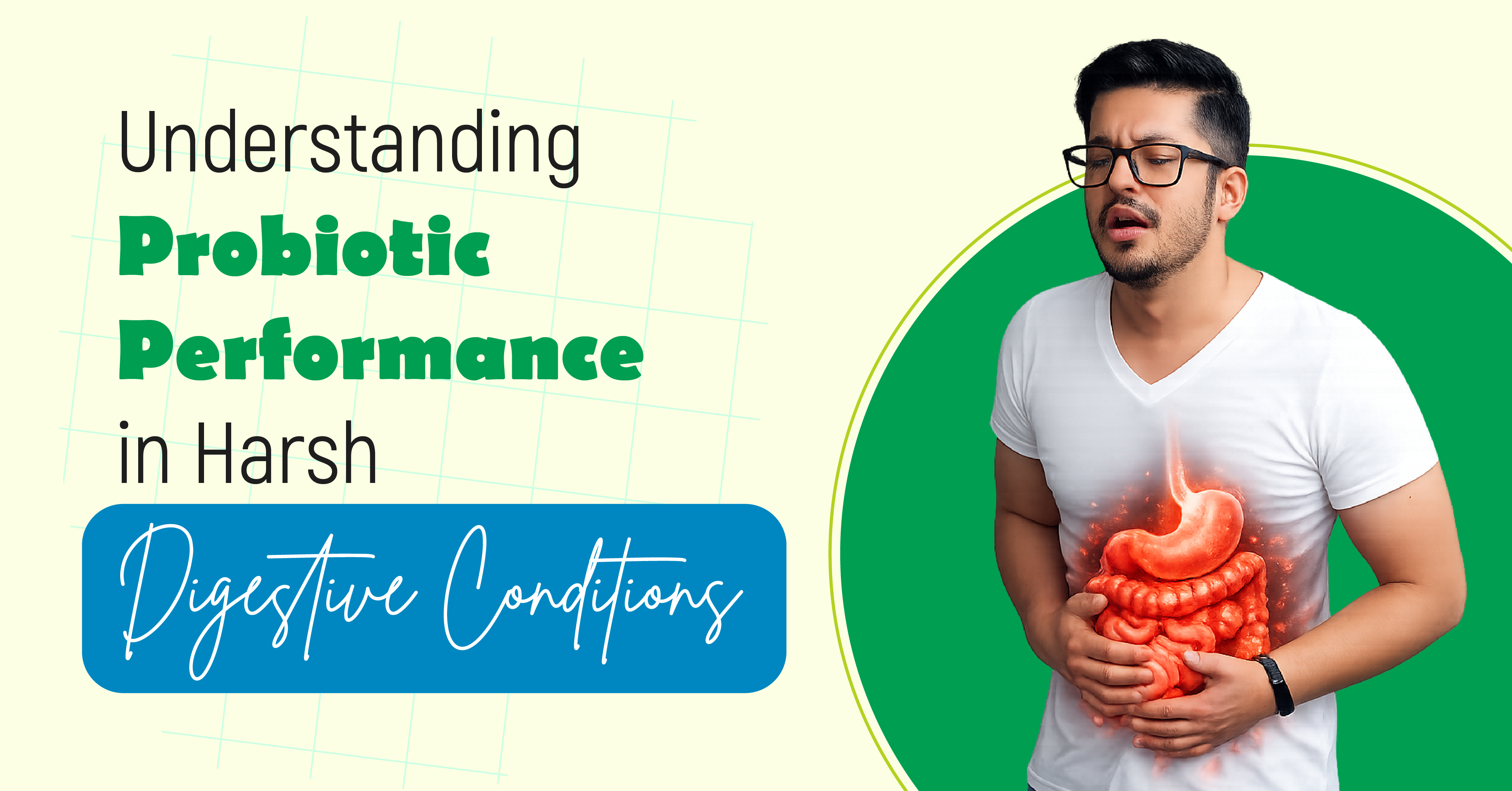
Probiotics must survive extreme digestive conditions to deliver real health benefits. Factors like stomach acid, bile salts, and gut transit time can significantly affect probiotic effectiveness. Understanding how probiotics perform in these harsh environments helps individuals make better choices for gut health. This guide explains what impacts probiotic survival and who benefits most from high-performance probiotic formulations.
The human digestive system is designed to break down food and eliminate harmful bacteria. While this is essential for health, it creates a challenging environment for beneficial microorganisms. Strong stomach acid, digestive enzymes, bile salts, and varying pH levels all work together to make survival difficult for probiotics.
Harsh digestive conditions can be intensified by stress, poor diet, frequent antibiotic use, aging, or digestive disorders. In such cases, many probiotic strains may not reach the gut alive or in sufficient numbers. Understanding these conditions is the first step toward selecting probiotics that can truly support gut health.
Probiotics are only effective if they reach the intestines alive and active. When probiotic strains fail to survive digestion, they cannot colonize the gut or support the microbiome effectively. This leads to minimal or no noticeable benefits, even with regular consumption.
A high-quality probiotic for digestive health is designed to withstand harsh conditions and deliver viable bacteria to the gut. Products supported by advanced research, such as daily gut health probiotic solutions, focus on strain stability and survival rather than just high colony counts on labels.
The stomach’s acidic environment is one of the biggest obstacles for probiotics. Many strains are sensitive to low pH levels and may not survive long enough to reach the intestines.
Even after passing the stomach, probiotics encounter bile salts that help digest fats. These salts can disrupt bacterial cell membranes, reducing probiotic viability.
Enzymes break down proteins and carbohydrates, potentially damaging probiotic cells. Fast or irregular gut transit times can also limit the ability of probiotics to settle and function effectively.
Because of these factors, not all probiotics perform equally. This is why strain selection and formulation technology are critical.
Modern probiotic research focuses on selecting strains that are naturally resilient. Certain strains can tolerate acidic environments and bile exposure better than others. Additionally, innovative delivery methods help protect probiotics during digestion.
For example, advanced probiotic formulations for gut balance may use protective matrices or targeted release mechanisms to improve survival rates. Solutions available through platforms like science-backed probiotic solutions emphasize performance over simple dosage claims, ensuring beneficial bacteria reach where they are needed most.
Selecting the right probiotic involves more than checking the number of strains or CFUs. It’s important to consider how the probiotic performs inside the body. Look for evidence-backed formulations that focus on survivability, stability, and functional benefits.
A probiotic supplement for digestion and immunity should clearly communicate its purpose—whether it supports digestion, reduces bloating, or maintains overall gut balance. Trusted sources like gut health-focused probiotic platformsgut health-focused probiotic platforms prioritize transparency, quality, and scientific validation, making them suitable for long-term daily use.
Advanced probiotic formulations are designed with real-world digestive challenges in mind. Instead of relying on fragile strains, they use robust, clinically studied microorganisms that can adapt to the digestive environment.
These formulations aim to deliver consistent results, especially for individuals experiencing frequent digestive discomfort or those exposed to gut stressors. Incorporating a reliable probiotic for harsh digestive conditions into daily routines can support microbiome balance, nutrient absorption, and overall digestive comfort. Options highlighted through innovative gut health solutions reflect this performance-driven approach.
Many probiotics do not survive stomach acid or bile exposure, preventing them from reaching the gut in effective amounts.
Resilient strains, protective formulation technologies, and scientific validation contribute to better probiotic performance.
Not necessarily. Survivability and strain effectiveness are more important than high CFU numbers alone.
When taken consistently and chosen correctly, probiotics can help maintain microbiome balance and digestive comfort over time.
Probiotic effectiveness depends largely on how well the microorganisms survive harsh digestive conditions. Stomach acid, bile salts, and enzymes all challenge probiotic performance, making formulation quality essential. By choosing well-researched, resilient probiotic solutions designed for real digestive environments, individuals can support better gut health outcomes. Understanding performance-not just labels-leads to smarter, more effective probiotic choices.
 Jul 22, 2026
 Jul 15, 2026
 Jun 15, 2026
 Jun 01, 2026
 Apr 25, 2026
Stay in the Loop! Sign up for our Newsletter and be the first to receive health tips, exclusive offers, and updates on Eco-ALL. Your journey to well-being starts here!"

There are many variations of passages of Lorem Ipsum available, but the majority have suffered
alteration in some form.