


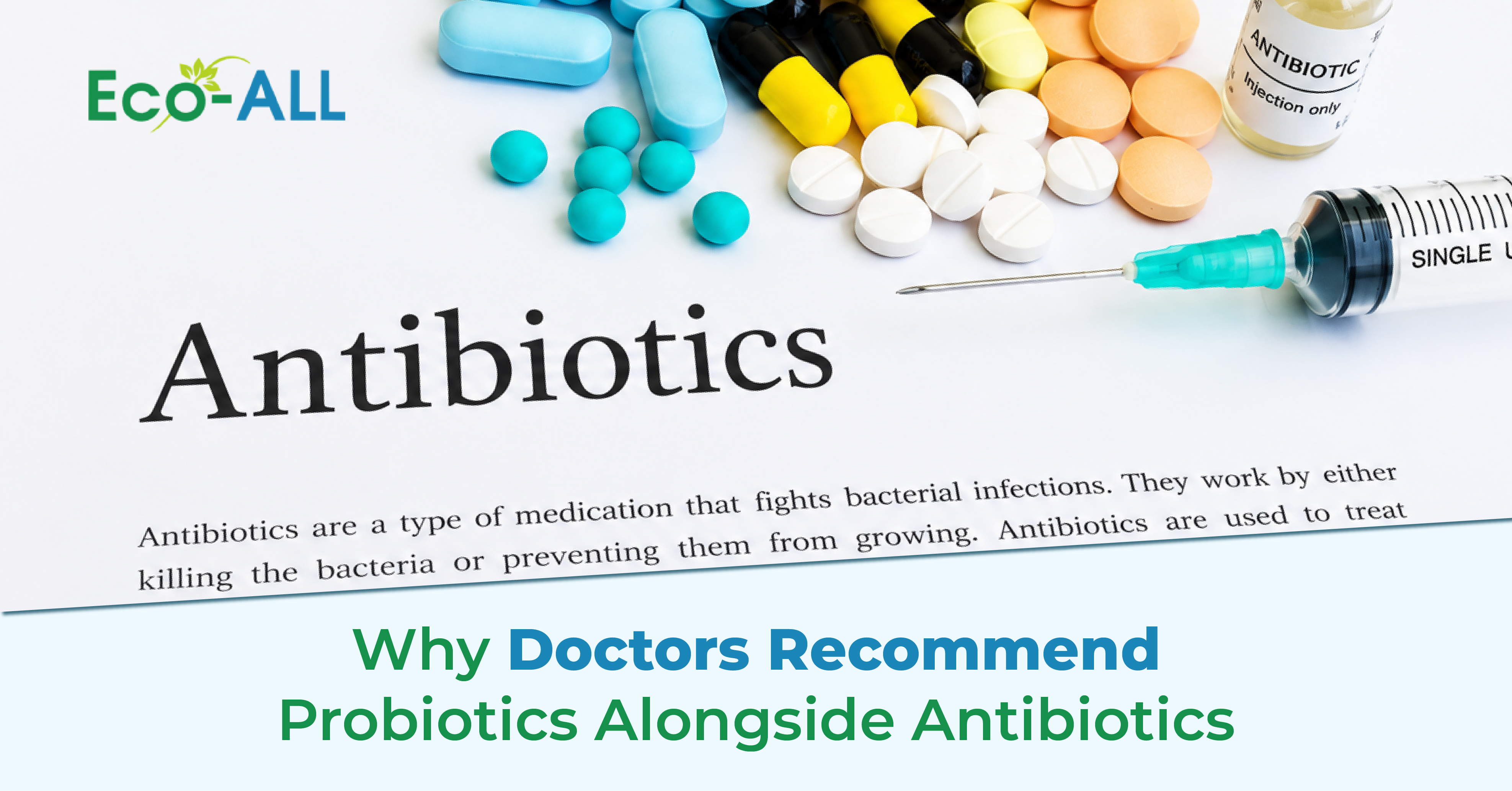
Antibiotics have transformed modern medicine by helping treat bacterial infections effectively. However, while these medications target harmful bacteria, they can also affect beneficial bacteria living in the digestive tract. This disruption may lead to digestive discomfort, diarrhoea, bloating, and temporary changes in gut health.
For this reason, healthcare professionals often discuss the role of probiotics alongside antibiotics, particularly for individuals concerned about digestive wellbeing. This becomes even more relevant after the age of 40, when natural changes in digestion, metabolism, and the gut microbiome may influence overall health.
Understanding how antibiotics affect the gut and how probiotics may help support digestive balance can help individuals make informed healthcare decisions.
Antibiotics can reduce both harmful and beneficial bacteria in the digestive system. Certain probiotics may help support the balance of gut microorganisms and may reduce the risk of antibiotic-associated diarrhoea in some individuals. However, probiotic benefits depend on the strain used and the person's health condition.
The digestive tract contains trillions of microorganisms collectively known as the gut microbiome.
These microorganisms contribute to:
A healthy microbiome is important for maintaining long-term wellbeing.
While antibiotics are designed to eliminate disease-causing bacteria, they may also affect beneficial bacterial populations within the gut.
This can sometimes lead to:
One of the most common digestive side effects of antibiotics is antibiotic-associated diarrhoea.
Research suggests that specific probiotic strains may help reduce this risk in selected patients. However, not all probiotic products have the same evidence or effectiveness.
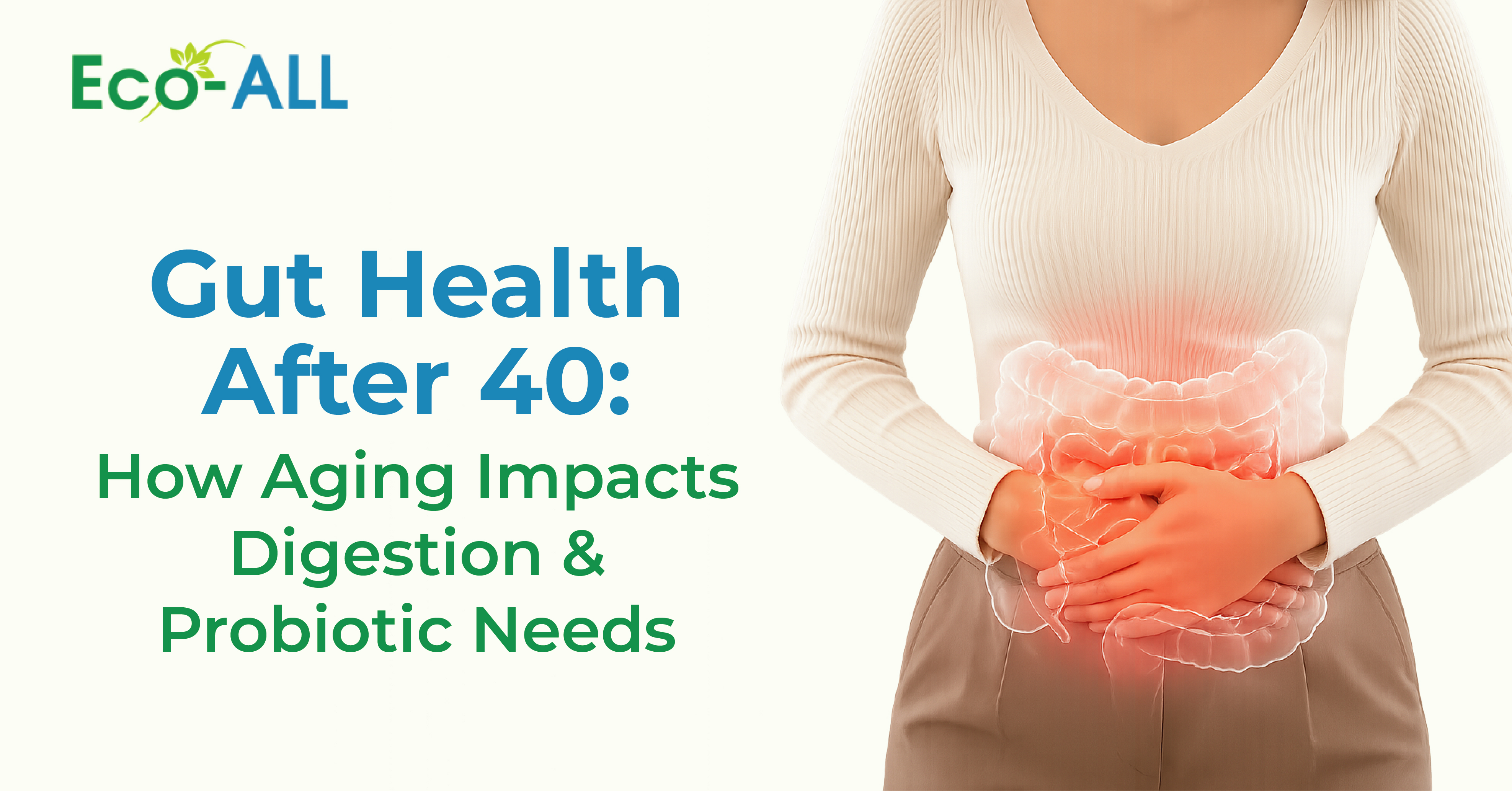
As people enter their 40s and beyond, natural physiological changes can influence digestion and gut health.
Common concerns include:
These factors may affect overall digestive comfort and wellbeing.
Research suggests that gut microbial diversity may change over time, making healthy lifestyle habits increasingly important for maintaining digestive balance and immune function.
This is one reason why many adults over 40 become more proactive about supporting gut health.
Probiotics are live microorganisms that, when consumed in appropriate amounts, may provide health benefits in certain situations.
Common probiotic organisms include:
Different strains may offer different benefits.
Experts emphasise that probiotic effectiveness depends on:
Not every probiotic works for every person or condition.
Probiotics may help support gut health by:
However, experts note that a healthy diet remains one of the most important factors in gut recovery.
In addition to probiotics, healthcare professionals often recommend:
These habits help nourish beneficial gut bacteria naturally.
Bacillus clausii is a spore-forming probiotic organism that has been used in digestive health support.
Because it forms resilient spores, it can tolerate harsh gastrointestinal conditions and remain stable under various environmental conditions.
Bacillus clausii has been used as an adjunct to antibiotic therapy and in the management of diarrhoeal conditions. According to information provided by Eco-ALL, its spores are resistant to multiple antibiotics and are designed to support digestive health during and after antibiotic use.
Products such as Eco-ALL contain Bacillus clausii and are intended to support digestive wellness under healthcare professional guidance.
Maintaining gut health involves more than supplements alone.
Helpful habits include:
Antibiotics should only be used when prescribed and necessary.
Avoiding unnecessary antibiotic use may help preserve the natural balance of the gut microbiome.
Not necessarily. The decision depends on individual health needs, medical history, and the type of antibiotic being used. Healthcare professionals can provide personalised guidance.
Some adults over 40 may benefit from probiotic support as part of a broader digestive wellness strategy, particularly when combined with healthy eating habits and lifestyle measures.
Yes. Foods such as yoghurt and other fermented products contain beneficial microorganisms and may contribute to digestive health.
Recovery varies from person to person depending on factors such as diet, age, overall health, and antibiotic exposure.
Antibiotics can alter the balance of bacteria in the digestive tract, which may contribute to gastrointestinal side effects.
Probiotics are live microorganisms that may provide health benefits when consumed in appropriate amounts.
Yes. Bacillus clausii is a probiotic organism commonly used to support digestive health.
Certain probiotic strains may help reduce the risk in some individuals, although results can vary depending on the strain and patient characteristics.
A balanced diet rich in fibre, regular exercise, adequate sleep, hydration, and appropriate medical guidance remain key pillars of long-term gut health.
Antibiotics remain an essential part of modern healthcare, but their impact on the gut microbiome highlights the importance of supporting digestive health during treatment. For many adults-especially those over 40-maintaining a healthy gut may contribute to overall wellbeing, digestive comfort, and quality of life.
While probiotics can play a supportive role in certain situations, they work best as part of a broader approach that includes balanced nutrition, regular physical activity, stress management, and responsible antibiotic use. Understanding these connections allows individuals to make more informed decisions about their digestive health.
Medical Disclaimer: This content is for educational purposes only and should not be considered medical advice, diagnosis, or treatment. Always consult a qualified healthcare professional before starting any probiotic or supplement, particularly if you have underlying health conditions or are taking medications.
 Jul 22, 2026
 Jun 15, 2026
 Jun 01, 2026
 Apr 25, 2026
 Apr 15, 2026
Stay in the Loop! Sign up for our Newsletter and be the first to receive health tips, exclusive offers, and updates on Eco-ALL. Your journey to well-being starts here!"

There are many variations of passages of Lorem Ipsum available, but the majority have suffered
alteration in some form.